Cybersecurity covers a broad range of risks and threats. You’ve got the basics like your computer viruses and malware, to the business-crippling ransomware and data breaches. You have threats that cause stress and downtime, and others that steal information and money, and others still that don’t even have clear understandable objectives. The point is, cybersecurity isn’t simple, but sometimes the threat actors and cybercriminals who target you will use low-tech methods to get what they want.
Adversity is pervasive throughout business. Every administrator, manager, and employee deals with some form of adversity during the course of business. Overcoming these problematic scenarios is key to keeping operations running efficiently and creating the environment to keep adversity at bay. Let’s look at some of the strategies it takes to rise up against the adversity you may (and probably will) encounter in business.
Printing has long been a headache for businesses, and the costs keep climbing due to various factors affecting the entire supply chain. This month, we'll explore why these costs continue to rise.
We talk a lot about phishing on this blog, and for good reason. It makes up a significant portion of today’s cyberthreats, irrespective of size or industry. Today, we want to highlight how your business can protect itself from phishing attacks and keep their impacts to a minimum. We’ll dive into some details about phishing schemes and the solutions you can implement to keep your business safe.
Secure and reliable file sharing has become essential for businesses. It makes collaboration, communication, and better productivity possible. With the increasing prevalence of cyberthreats, however, having a comprehensive plan to ensure the security of your files in transport is extremely important. Let’s explore some of the best practices for secure business file sharing.
Today, cybersecurity responsibility extends beyond the IT department; it's now everyone's concern. Experiencing a hack can be deeply unsettling, leaving you feeling vulnerable and uncertain about what steps to take next. This short guide aims to assist you by outlining the necessary actions to take post-hack, along with practical cybersecurity advice and measures to help you strengthen your defenses. Let's transform this stressful situation into an opportunity to learn and fortify your cyber resilience.
The second you hear “audit,” your brain likely goes into damage control mode. However, the purposes of an audit are not necessarily malicious. In fact, they can be remarkably beneficial for a number of reasons, including network security. A good audit can help your business stay secure from threats and vulnerabilities.
With remote and hybrid work models becoming prominent parts of the business world, it’s time to start considering the challenges and benefits that such work can bring about for your own organization. Specifically, you want to examine how engagement is affected by these workplace models. How can you ensure employee satisfaction, productivity, and retention even while utilizing a remote or hybrid workplace model?
The misconception that small businesses are immune to cyberthreats is dangerous. In reality, their size and often lax security measures make them attractive targets. The cost of a cyber incident can be devastating for small and medium-sized businesses. It can lead to downtime, reputation damage, and significant financial loss.
It seems like with every day that passes, there is a new sinister cyberthreat to worry about, and it’s crucial that businesses learn as much as possible about how to keep themselves safe as they can. There is simply too much at stake not to. That said, there are broad categories that most threats will fall under. Today, we’re going to explore them.
A New Year can be about self-improvement. Most of us make lofty goals to spend more time at the gym, or to stop sneaking spoonfuls of uncooked Pillsbury Cookie Dough right out of the tube from the back of the fridge at four in the morning. Some of us accomplish our goals, and some of us have gotten really good at hiding that Pillsbury Cookie Dough wrapper in the bottom of the trash so nobody realizes it’s gone. All joking aside, it feels good to make accomplishments, and I truly hope that anything you set your mind to is able to happen for you.
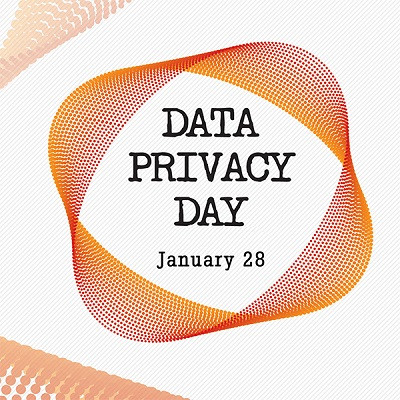
If you are looking for an easy resolution that will help you sleep better at night and is extremely easy to maintain, I’d highly suggest that you prioritize your own personal cybersecurity in 2024.
It will take a little effort, but trust me, it will save you a lot of headache down the road.
Happy New Year! It’s officially that time when we all make resolutions meant to help improve ourselves, so why not include your business? Better yet, why not make business resolutions that you’re more likely to keep?
Let’s explore some of the ways that you can design your business’ resolutions to maximize the likelihood that you’ll keep them and benefit from them in the long term.
Running a business may never be totally smooth sailing, but it doesn’t have to be a complete grind all the time either. Managing complexities with your business’ technology is a good way to ensure that things move ahead with some efficiency. Today, we look at four ways to effectively handle complexities in the realm of business technology.
Did you know that a lot of technology investments go over budget or don’t necessarily provide the return that was intended? With technology playing such an important role in business, getting the right technology to fit your business is critical to your efficiency efforts. It’s not always as easy as identifying features in a huge software profile or using the cloud for everything. In today’s blog, we offer five useful tips to help you make informed decisions about your business’ technology.
Productivity is the lifeblood of any business, and understanding what it entails is paramount for every decision-maker in the corporate world. The concept of productivity is highly contextual, as no two businesses operate in the same way or are managed identically. Today, we present a set of key performance indicators (KPIs) that you need to consider. These twelve metrics will assist you in gauging whether your business is meeting productivity expectations or falling short.