

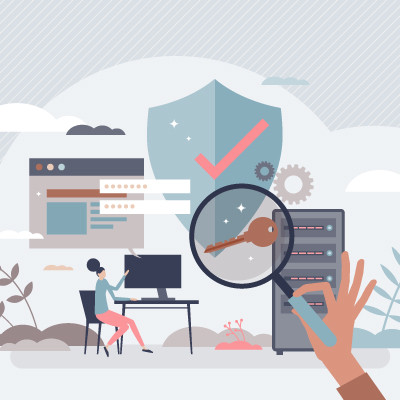
Encryption has become one of the most dynamic cybersecurity tools available for individuals and organizations. In today’s blog, we will define encryption and how it helps professionals thwart potential cyberattacks.

Encryption has become one of the most dynamic cybersecurity tools available for individuals and organizations. In today’s blog, we will define encryption and how it helps professionals thwart potential cyberattacks.
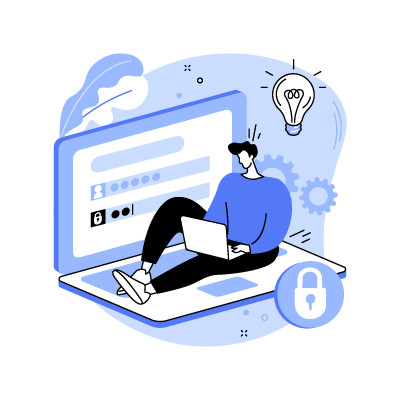
Password management can be challenging for both businesses and individuals, but it doesn't have to be as difficult as it seems. With the increasing threat of cybersecurity attacks, relying on a single password is no longer sufficient. Instead, you need to use complex passwords stored in a password manager, which simplifies the process of remembering them.
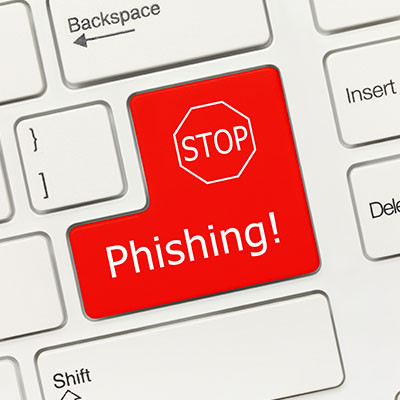
We talk a lot about phishing on this blog, and for good reason. It makes up a significant portion of today’s cyberthreats, irrespective of size or industry. Today, we want to highlight how your business can protect itself from phishing attacks and keep their impacts to a minimum. We’ll dive into some details about phishing schemes and the solutions you can implement to keep your business safe.

Ransomware is not just a business problem; it is also a consumer and user problem. While it might lock down your business’ files and make them inaccessible, there is also the possibility that the cybercriminals will steal and sell the data on the black market rather than safely return it. What happens to users who have had their data stolen during a ransomware attack?

If your organization is fortunate enough to have an internal IT department, it’s likely that they are managing a complex infrastructure on top of being understaffed and overworked. We're not knocking your business or anything; it’s just the nature of the work and the reality of SMBs (trust us, we’d know). We can make managing your technology significantly easier and less of a pressure on your IT workers.
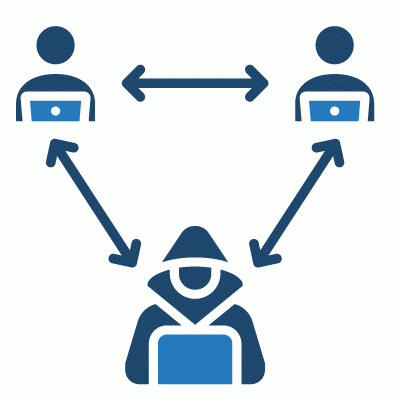
Cybersecurity attacks happen when you least expect it, and data is often more susceptible to a cyberattack while it’s moving from one individual to another. This is what is commonly known as a man-in-the-middle attack, or MitM. Essentially, data gets intercepted while it’s in transit—but what can you really do to stop it? Let’s find out.
The second you hear “audit,” your brain likely goes into damage control mode. However, the purposes of an audit are not necessarily malicious. In fact, they can be remarkably beneficial for a number of reasons, including network security. A good audit can help your business stay secure from threats and vulnerabilities.

Every year, there seems to be a notable increase in high-profile ransomware attacks. If you haven't yet devised a plan to shield your business from these dangers, the time to act is now. Luckily, there are proactive steps you can take to reduce the impact of ransomware attacks, and it all starts with preparation.
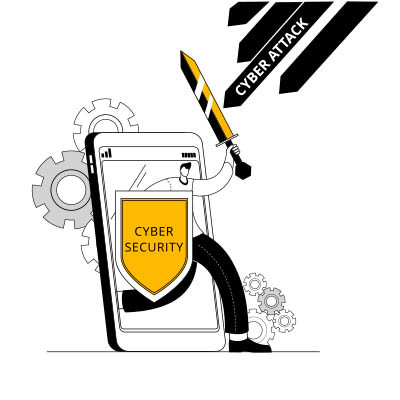
The misconception that small businesses are immune to cyberthreats is dangerous. In reality, their size and often lax security measures make them attractive targets. The cost of a cyber incident can be devastating for small and medium-sized businesses. It can lead to downtime, reputation damage, and significant financial loss.

Do you have the time to monitor your networks 24 hours a day, 7 days a week, 365 days a year? If not, you’re like every other business owner out there, and if you’re not monitoring your network, you’re potentially leaving it open to a lot more threats than you should feel comfortable with.

There has recently been a surge in cyberattacks and data breaches targeting the healthcare industry and its affiliated businesses and vendors. With one such attack currently featured prominently in the headlines, it seemed appropriate to consider why this is and what businesses of all kinds—particularly those in healthcare—need to do to prevent this kind of thing from happening to them.
Ensuring cybersecurity is important for individuals both in their professional and personal lives. Hence, I've compiled a set of cybersecurity practices that you should advocate for your team, especially when they're working remotely or during their personal time.

Are you prioritizing your business’ network security? It’s remarkably important that any modern business focuses its efforts on this aspect of running a company. Still, it can be challenging to implement the right tools for the job—particularly if you are a future-minded business. You want to get the best return on your investment, which makes sense. Let’s help you get there.

It seems like with every day that passes, there is a new sinister cyberthreat to worry about, and it’s crucial that businesses learn as much as possible about how to keep themselves safe as they can. There is simply too much at stake not to. That said, there are broad categories that most threats will fall under. Today, we’re going to explore them.
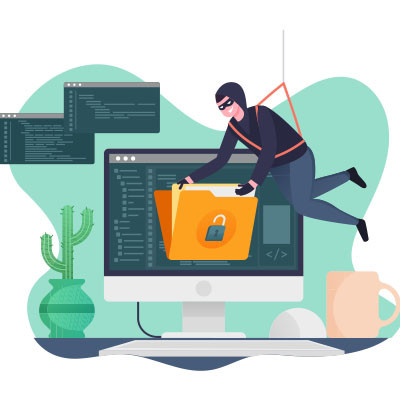
Our digital footprint is extensive and vulnerable, from personal information to financial details. While many may believe they are impervious to data theft, the stark reality is that no one is truly immune. Today, we will take a look at a couple of reasons why individuals, regardless of their experience with technology, are not exempt from data theft.

SMBs tend to rely on their longstanding clients to bring in the majority of their revenue, so what happens when clients suddenly cannot trust your business’ reputation? Look no further than if you were to suffer from a cyberattack for an answer. It turns out that being careless with your clients’ data is one of the best ways to sink your reputation.

All it takes is one oversight to potentially undo any benefits your cybersecurity protections and other best practices may deliver. For instance, even if you have things like multifactor authentication in place, a phishing scam or even some malware varieties could potentially give an attacker access to your email… and all the data your messages contain, just sitting in your inbox.

Maintaining data security is an important consideration, and most people try to do what they must to secure their personal data. They verify emails; they roll out antivirus and antimalware; they take vigilant steps to avoid the myriad of threats and active attacks we all deal with from one day to the next.

In this blog, we do our best to give people the knowledge they need to protect themselves and their organizations while operating online. With all the digital tools that we all have come to rely on, it’s important to understand the result of a data breach on organizations and their customers. In today’s blog, we go through six of the most devastating data breaches that happened in 2023.
We often advise people to steer clear of clicking on suspicious links, but distinguishing between a legitimate URL and a dubious one has become increasingly challenging. Not only have malicious tactics evolved to the point where everyone has to stay on top of their game to not be fooled, these threats are almost pervasive so they are coming at people from all types of directions. We thought we would focus on a single punctuation mark that can make all the difference in whether a link is legitimately safe or potentially dangerous.
Mobile? Grab this Article!
Tag Cloud